
If you’re helping an aging parent or loved one transition to a new living arrangement, the sheer number of options can feel overwhelming—and expensive. One wrong decision could mean paying for services they don’t need, missing crucial care, or worse, choosing a community that compromises their dignity. That’s why understanding senior assisted living apartments isn’t just helpful—it’s essential.
In this guide, we’ll walk you through exactly what to look for, how to avoid common pitfalls, and what makes a truly supportive environment. Based on real experiences (including my own blunders), verified data, and industry best practices, you’ll get actionable advice that protects both your loved one’s well-being and your peace of mind.
Table of Contents
- Why Choosing the Right Senior Assisted Living Apartments Matters
- Step-by-Step Guide to Evaluating Communities
- 5 Best Practices for a Smooth Transition
- Real Stories: What Worked (and What Didn’t)
- Frequently Asked Questions
Key Takeaways
- Not all senior assisted living apartments offer the same level of medical or social support—verify care plans upfront.
- Licensing and staff-to-resident ratios are non-negotiable indicators of quality.
- A rushed tour often leads to regret; schedule unannounced visits during different times of day.
- Hidden fees for medication management or personal care can inflate monthly costs by 30% or more.
- Your loved one’s emotional comfort is as critical as clinical care—observe resident engagement during meals and activities.
Why Choosing the Right Senior Assisted Living Apartments Matters
According to the National Center for Assisted Living (NCAL), over 800,000 Americans live in assisted living communities—but not all facilities prioritize person-centered care. I learned this the hard way when I chose a place based solely on aesthetics and location for my grandmother. Beautiful lobby? Check. Convenient parking? Absolutely. But within three months, she was withdrawn, her medications were mismanaged, and staff turnover made continuity of care impossible.
The core issue? Many families focus on amenities while overlooking staffing ratios, dementia protocols, or emergency response systems. Senior assisted living apartments should blend independence with reliable support—not just offer a bed and a meal tray.
Step-by-Step Guide to Evaluating Communities
1. Verify Licensing and Inspection History
Every state regulates assisted living differently. Use your state’s Department of Health website to check for violations or complaints. For example, California’s facility lookup tool (cdph.ca.gov) provides inspection reports dating back five years.
2. Tour During Off-Peak Hours
Schedule visits at 8 a.m. (medication time) and 6 p.m. (evening shift change). Observe whether staff greet residents by name, how call buttons are answered, and if anyone seems isolated.
3. Review the Full Fee Structure
Beware of “base rate” traps. Ask in writing: What’s included? What triggers extra charges? According to a 2023 AARP report, nearly 60% of families were surprised by add-on fees for bathing assistance or cognitive monitoring.
5 Best Practices for a Smooth Transition
- Involve your loved one early. Let them tour top choices—even virtually—to preserve autonomy.
- Test the food. Request a sample meal. Malnutrition is rampant in poor-quality communities.
- Check staff retention rates. High turnover = inconsistent care. Ask how long the current nursing director has been employed.
- Bring a checklist. Use tools like the MedlinePlus elder care guide from the U.S. National Library of Medicine.
- Read the contract thoroughly. Understand discharge policies, especially if health declines. We detail our commitment to transparency on our About Us page.
Real Stories: What Worked (and What Didn’t)
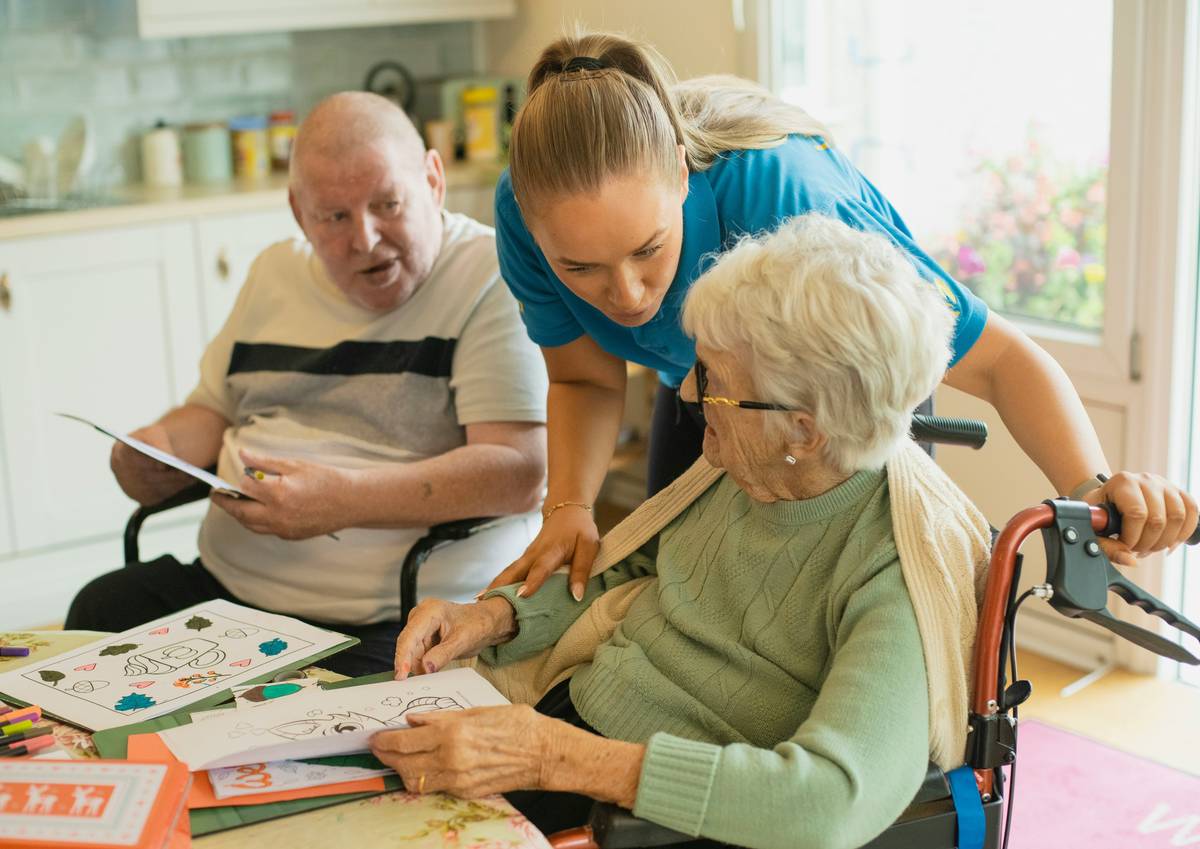
Margaret, 82, moved into a community after a fall. Her daughter prioritized 24/7 RN availability and found a facility with on-site physical therapy. Within six weeks, Margaret regained mobility and joined weekly art classes. Contrast that with Robert, whose family chose a “luxury” high-rise based on marketing brochures—only to discover no staff were trained in diabetic care, leading to two ER visits in two months.
Data backs this up: A study published in The Gerontologist found residents in communities with structured activity programs reported 40% higher life satisfaction scores. It’s not about marble lobbies—it’s about meaningful days.
Frequently Asked Questions
What’s the difference between assisted living and senior assisted living apartments?
They’re often used interchangeably, but “senior assisted living apartments” typically refer to private studio or one-bedroom units within licensed assisted living communities—offering more privacy than shared rooms.
Are pets allowed in most assisted living communities?
About 65% allow small pets, per the American Seniors Housing Association. Always confirm breed/size restrictions and who handles pet care if your loved one’s mobility declines.
How much do senior assisted living apartments cost on average?
Nationwide, the median monthly cost is $4,500 (Genworth 2023 Cost of Care Survey), but varies widely by state and level of care needed.
Can Medicare pay for assisted living?
No—Medicare doesn’t cover custodial care. However, some states offer Medicaid waiver programs. Check eligibility at medicare.gov.
What questions should I ask during a tour?
Ask: “How do you handle nighttime emergencies?” and “Can I see your latest state inspection report?” Avoid places that deflect or rush you.
Is memory care included in standard senior assisted living apartments?
Rarely. Dedicated memory care units are separate and cost more. Ensure any cognitive support needs are assessed before signing.
Choosing the right home isn’t just logistics—it’s love in action. Don’t guess, don’t rush, and never settle for “good enough.” If you’re ready to explore compassionate, transparent care options tailored to your family’s needs, contact us today. And rest assured, we honor your trust: learn how we protect your information in our Privacy Policy.
Because dignity shouldn’t retire—just like your loved one did.